Modern museums around the world are increasingly striving to become open, safe, and accessible spaces for all visitors, where every person, regardless of physical, sensory, or cognitive differences, can experience culture, knowledge, and a sense of community. Rapidly evolving technologies, especially artificial intelligence, are opening new opportunities for museums to create more personalized, inclusive, and visitor-oriented experiences.
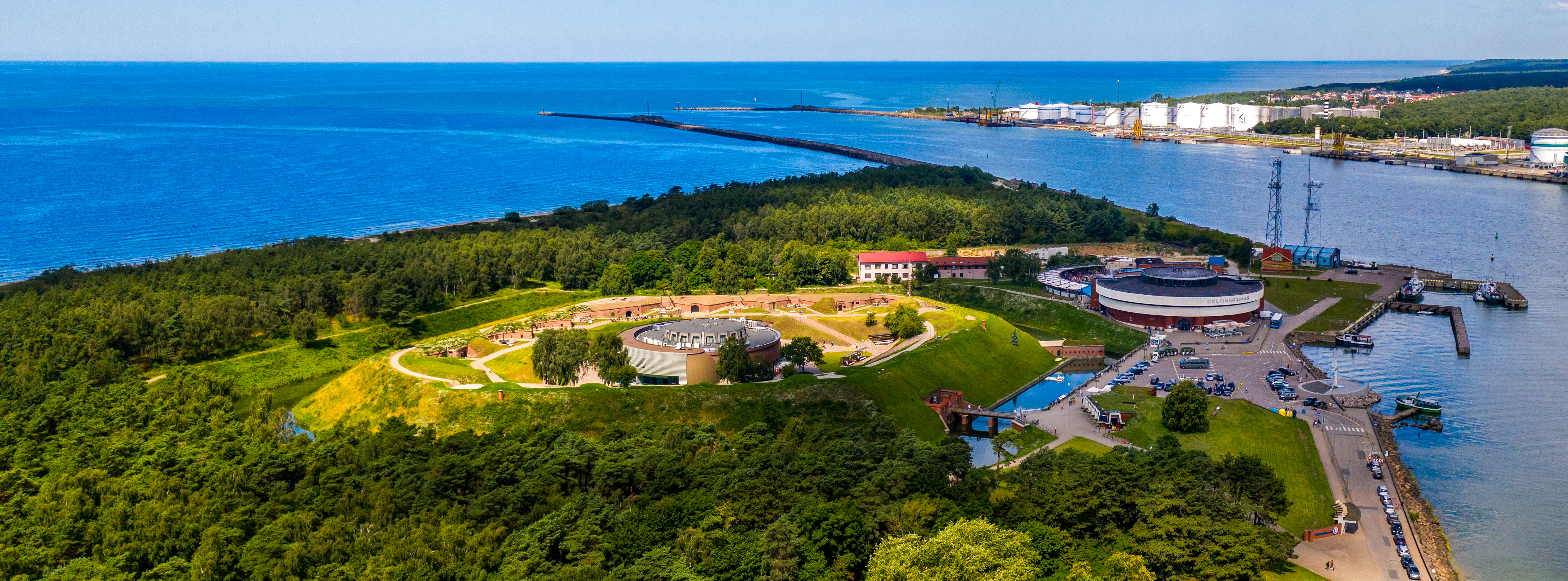
In line with these trends, the Lithuanian sea museum, together with partners, has started implementing the international project “AIMused,” whose main goal is to improve the accessibility of museums and other tourist sites by using inclusive design and advanced artificial intelligence solutions. The project focuses on the needs of diverse visitors, with particular attention to people with disabilities, aiming to ensure that culture, heritage, and learning are accessible to everyone.
The project aims to develop accessibility and inclusion guidelines for museum and tourism site managers in the South Baltic region, create digital and physical toolkits to genuinely improve visitor experiences, and develop guidelines for the application of artificial intelligence (AI) to enable the purposeful and responsible use of AI solutions to enhance accessibility. An important part of the project is the dissemination of the developed content and tools to stakeholders in the tourism sector across the South Baltic region.
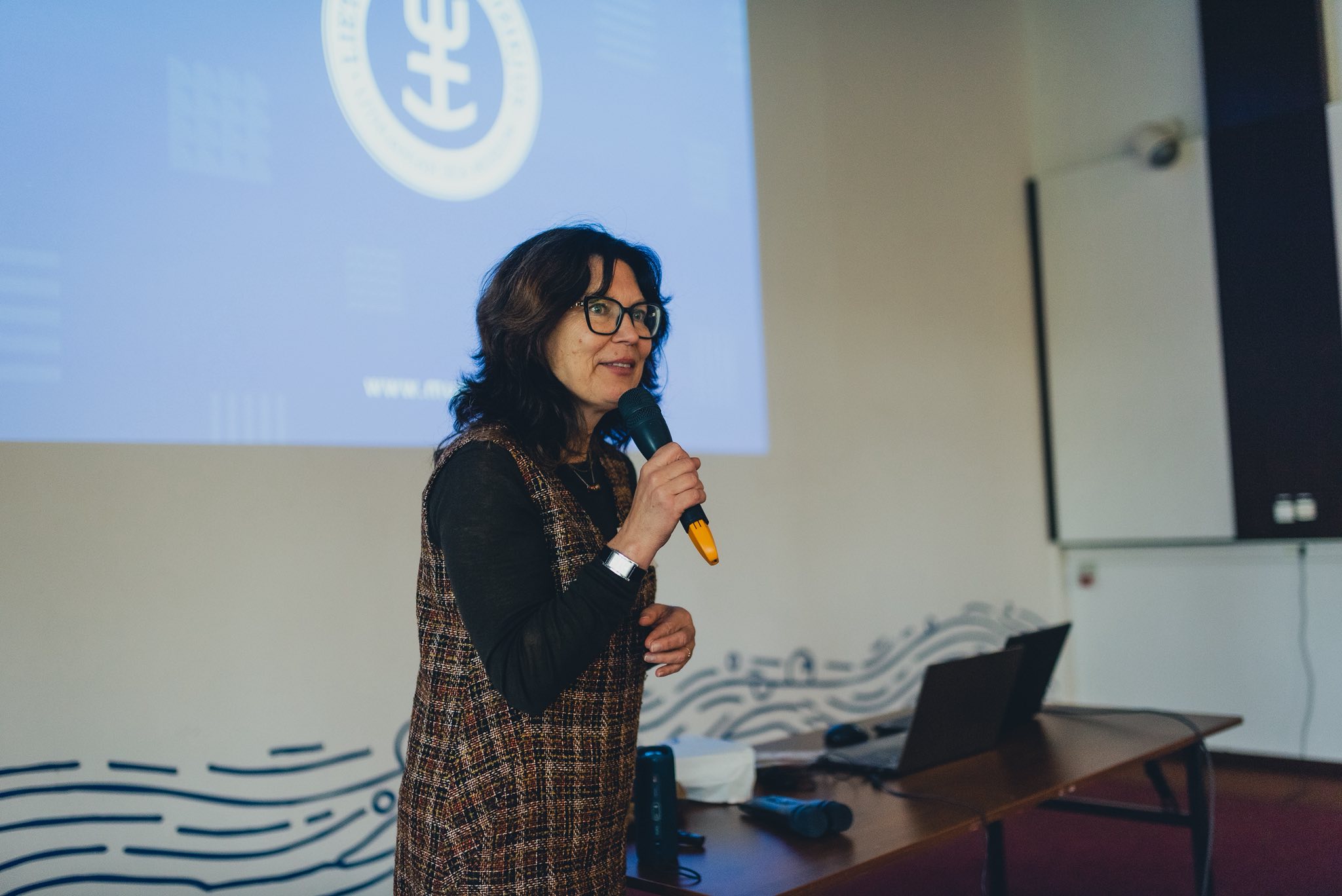
Lithuanian sea museum director Olga Žalienė emphasizes that the “AIMused” project is significant not only from an institutional perspective but also from a broader societal point of view:
“Accessibility is no longer an added value today – it is a necessity. Museums must evolve alongside society and respond to the diverse needs of people. Artificial intelligence provides new opportunities to better understand visitors’ expectations and create solutions that help everyone feel welcomed, understood, and included.”
The total project budget is 1,661,574 EUR, and its implementation period is 35 months.
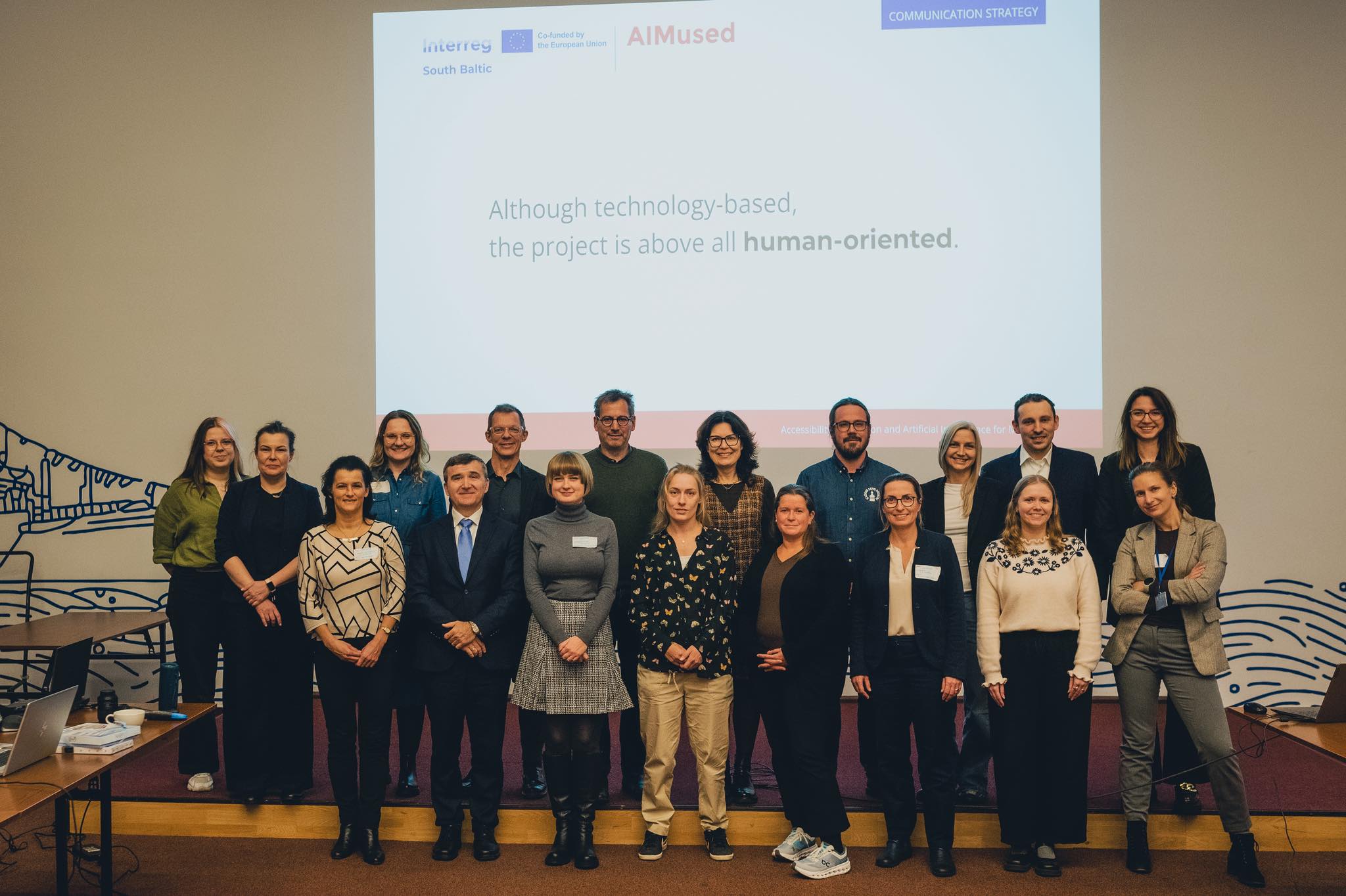
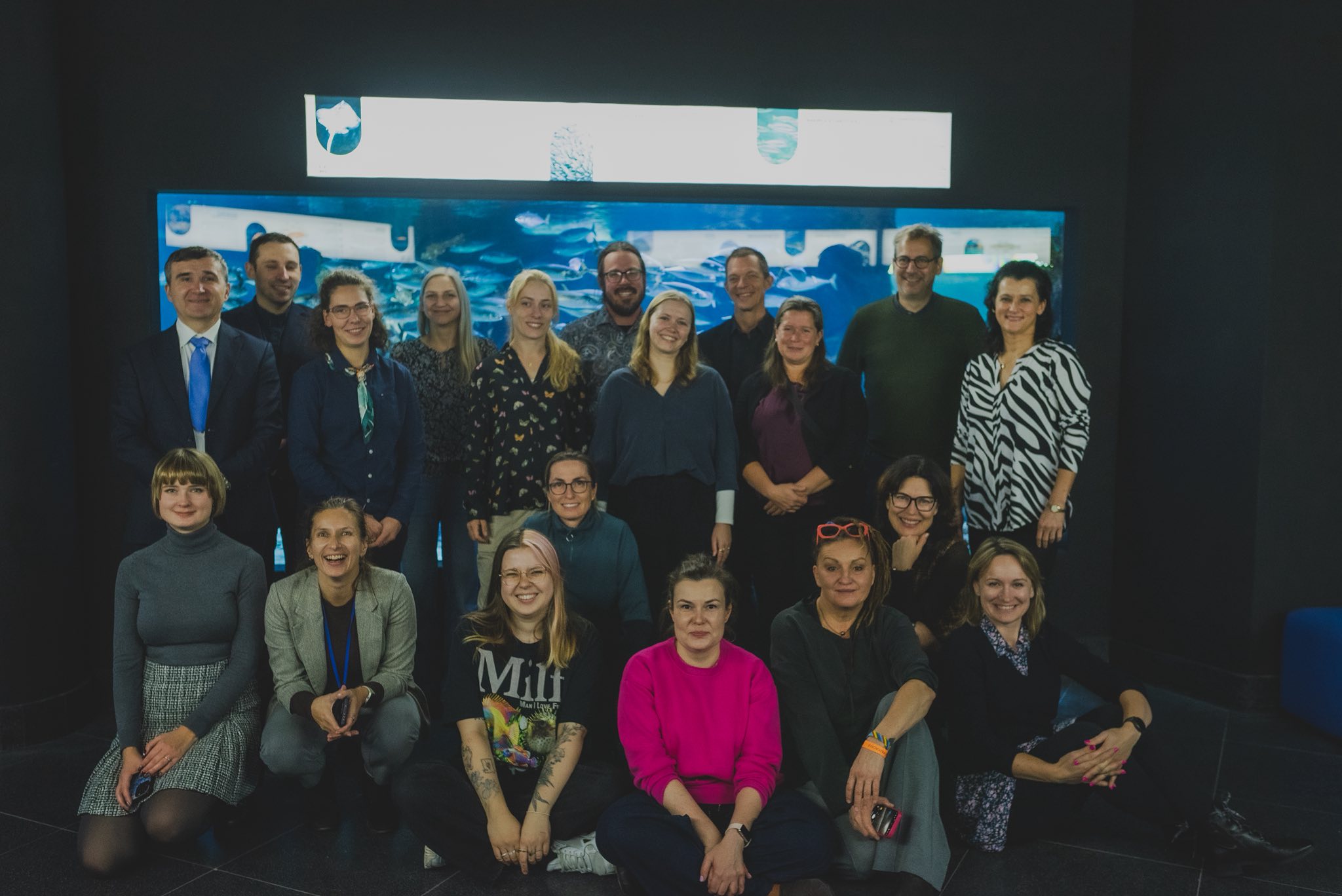
The Lithuanian Sea Museum is implementing the project together with an international consortium of partners. The lead partner is the National Institute of Fisheries and Marine Research in Poland. The project also involves NaturBornholm in Denmark, the Kalmar County Museum in Sweden, KL Kulturland in Germany, the University of Szczecin in Poland, the University of Applied Sciences Wildau in Germany, and Nautil Sp. z o.o. in Poland.
2026-01-23